Introduction
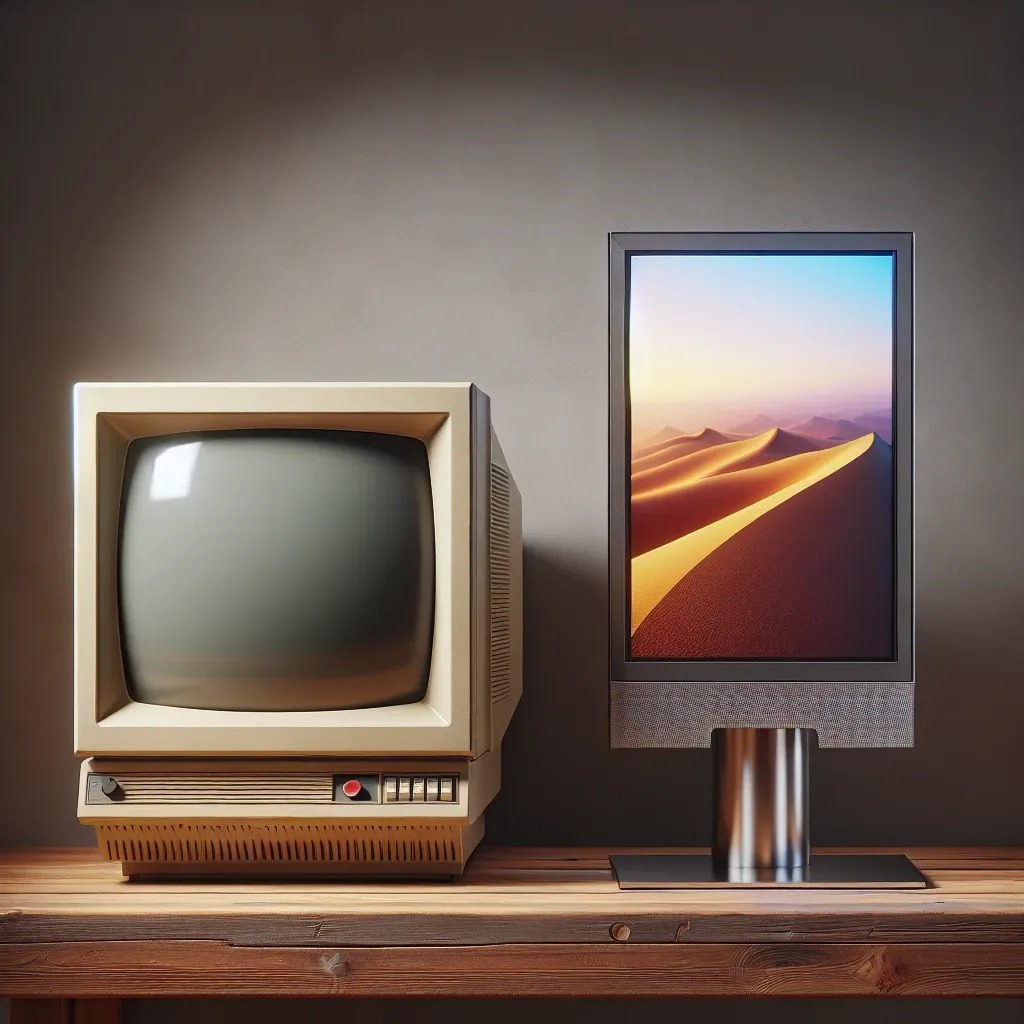
CRT (Cathode Ray Tube) displays were once the cornerstone of visual technology, found in televisions and computer monitors worldwide. These hefty screens shaped the way we consumed digital content. However, with the advent of modern display technologies such as LCD (Liquid Crystal Display) and LED (Light Emitting Diode) screens, CRTs have largely become obsolete. This article delves into the disadvantages of CRTs compared to modern displays, focusing on various aspects like size, energy consumption, image quality, and user experience.
Disadvantages of CRTs
1. Size and Weight
One of the most noticeable disadvantages of CRTs is their size and weight. The bulky design of CRTs makes them cumbersome and difficult to move. In contrast, modern displays are incredibly sleek and lightweight, offering greater flexibility and ease of installation.
| CRT | Modern Displays |
|---|---|
| Bulky and heavy | Sleek and lightweight |
| Difficult to move | Easy to maneuver |
2. Energy Consumption
CRTs are notorious for their high energy consumption. These displays require a substantial amount of power to operate, leading to higher electricity bills. Modern displays like LCDs and LEDs are far more energy-efficient, providing the same or better image quality with significantly reduced power usage.
3. Image Quality
While CRTs were once praised for their superior image quality, they no longer hold up against modern displays. Contemporary screens offer higher resolutions, better brightness, and more vibrant colors.
- Resolution: CRTs are limited in resolution compared to today’s 4K and even 8K displays.
- Brightness: Modern displays achieve higher brightness levels, improving visibility in various lighting conditions.
- Color Accuracy: Advanced display technologies offer better color accuracy and wider color gamuts.
4. Space Requirements
CRTs require a lot of space, not only due to their size but also because they need adequate ventilation to prevent overheating. Modern flat panels can be mounted on walls, freeing up valuable desk or floor space.
5. Environmental Impact
CRTs contain hazardous materials such as lead and phosphor, which can be harmful to the environment if not disposed of properly. Modern displays are built with more eco-friendly materials and often come with recycling options to minimize environmental impact.
6. User Experience
Modern displays offer a variety of user-friendly features that CRTs lack:
- Fast refresh rates for smoother visuals
- Touchscreen capabilities
- Thinner bezels for a more immersive experience
Conclusion
While CRTs played a crucial role in the early days of digital screens, they carry several disadvantages compared to modern display technologies. Bulkiness, high energy consumption, poorer image quality, and environmental concerns are just a few of the issues that have led to the decline of CRTs. With advancements in technology, modern displays offer superior performance, efficiency, and user experience, making CRTs a relic of the past.