Introduction
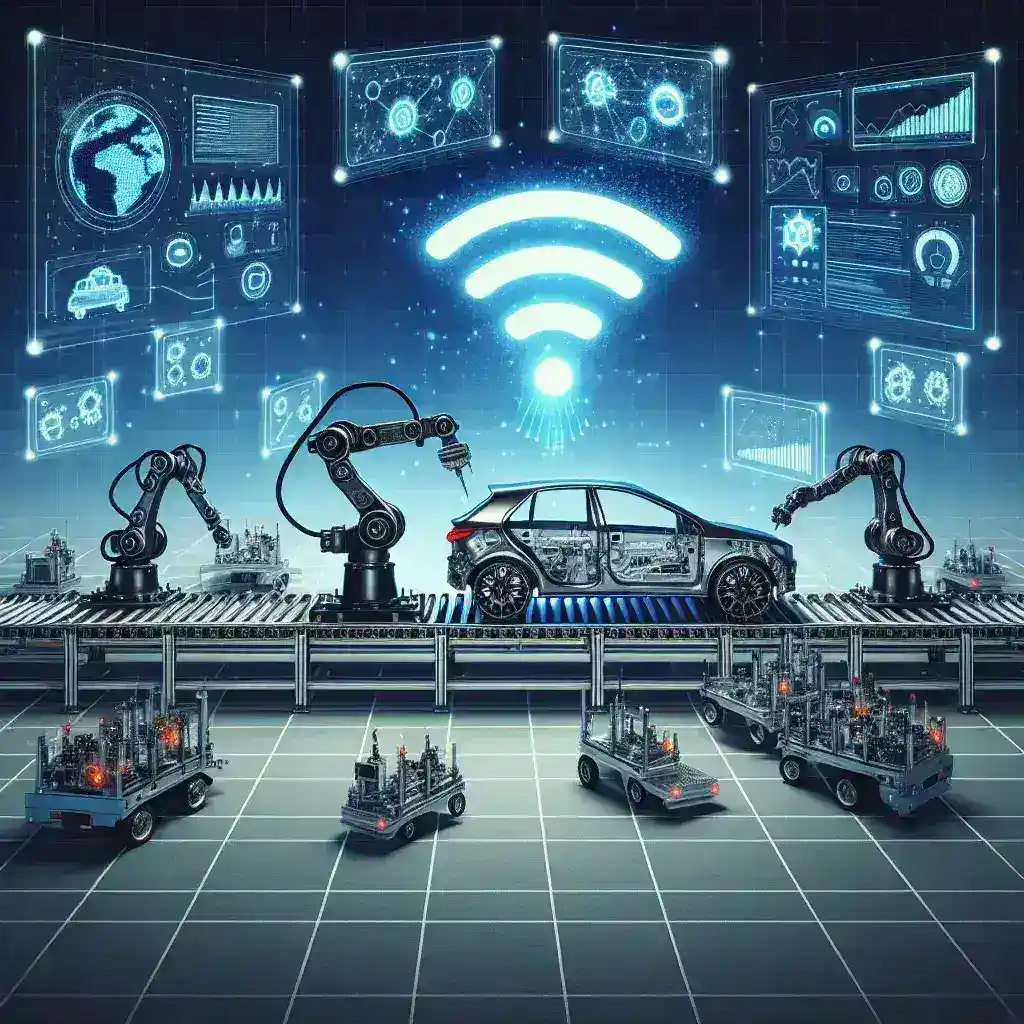
The Automotive industry is undergoing a profound transformation powered by the Internet of Things (IoT). This innovative technology connects vehicles, infrastructure, and users, creating a smart ecosystem that enhances safety, efficiency, and convenience. This article delves into the pivotal role of IoT in transforming the automotive landscape, examining its benefits, applications, and future prospects.
Understanding IoT in the Automotive Context
IoT refers to a network of interconnected devices that communicate and exchange data with each other via the internet. In the automotive context, IoT enables vehicles to collect and share information about their performance, surroundings, and user behavior, paving the way for smarter and safer transportation solutions.
Key Components of IoT in Automotive
- Sensors: Instruments embedded in vehicles that collect real-time data.
- Connectivity: Enables communication between vehicles and external systems.
- Data Analytics: Processes and analyzes the vast amounts of data generated by vehicles.
- Cloud Computing: Provides storage and processing power for data collected from vehicles.
Major Benefits of IoT in the Automotive Industry
1. Enhanced Safety Features
IoT technologies empower vehicles with safety features that significantly reduce the risk of accidents. Real-time data collection from sensors helps in identifying potential hazards and allows for:
- Collision Avoidance: Vehicles can communicate with each other to avert potential accidents.
- Emergency Responses: Automatic notifications to emergency services during accidents.
2. Improved Vehicle Maintenance
IoT assists in predictive maintenance by providing insights into vehicle performance. Sensors monitor various parameters, enabling:
- Real-time Monitoring: Constant tracking of components such as brakes, tires, and engine.
- Maintenance Alerts: Notifications to the driver about potential issues before they become serious.
3. Increased Fuel Efficiency
The integration of IoT in vehicles leads to optimized fuel consumption. Elements contributing to this include:
- Data-driven Insights: Analyzing driving patterns to improve fuel efficiency.
- Route Optimization: Suggesting the best routes to minimize travel time and fuel expenditure.
4. Enhanced User Experience
IoT technology elevates the customer experience by:
- Personalized Services: Tailoring in-car services based on user preferences.
- Remote Connectivity: Allowing users to control vehicle functions remotely via smartphones.
Key Applications of IoT in Automotive
1. Connected Cars
Connected cars utilize IoT technologies to enhance communication between vehicles and external systems, leading to a more integrated driving experience. Features include:
- Real-time Traffic Updates: Streaming data on traffic conditions to help drivers navigate efficiently.
- Vehicle-to-Vehicle (V2V) Communication: Allowing vehicles to exchange information about road conditions.
2. Fleet Management
Companies managing vehicle fleets leverage IoT for tracking, monitoring, and optimizing operations. Benefits include:
- Asset Tracking: Real-time location tracking of vehicles.
- Performance Analytics: Monitoring vehicle performance for operational efficiency.
3. Autonomous Vehicles
IoT plays a critical role in the development of autonomous vehicles, facilitating:
- Surrounding Awareness: Continuous data collection about the vehicle’s environment.
- Decision Making: Enabling vehicles to make informed decisions based on real-time data.
Challenges in Implementing IoT in the Automotive Sector
1. Data Security and Privacy
With increased connectivity comes the risk of cyberattacks. Protecting sensitive data is crucial to maintaining user trust, requiring robust security measures.
2. Standardization Issues
The lack of universal standards for IoT devices can lead to compatibility issues among different manufacturers, hindering interoperability.
3. Infrastructure Requirements
Implementing IoT solutions demands significant investment in infrastructure, such as advanced communication networks and data processing systems.
The Future of IoT in the Automotive Industry
The future of IoT in the automotive industry is promising, with continuous advancements in technology leading to greater integration and innovation. Key trends to watch include:
- 5G Connectivity: Providing faster data transmission, essential for real-time applications.
- Artificial Intelligence (AI) Integration: Enhancing decision-making capabilities for autonomous vehicles.
- Sustainability Initiatives: Leveraging IoT for electric vehicle technology and reducing emissions.
Conclusion
IoT is undeniably transforming the automotive industry by enhancing safety, optimizing performance, and elevating the user experience. As technology continues to evolve, the possibilities for IoT applications in automotive will expand, paving the way for a safer, more efficient, and more connected future in transportation.