Introduction
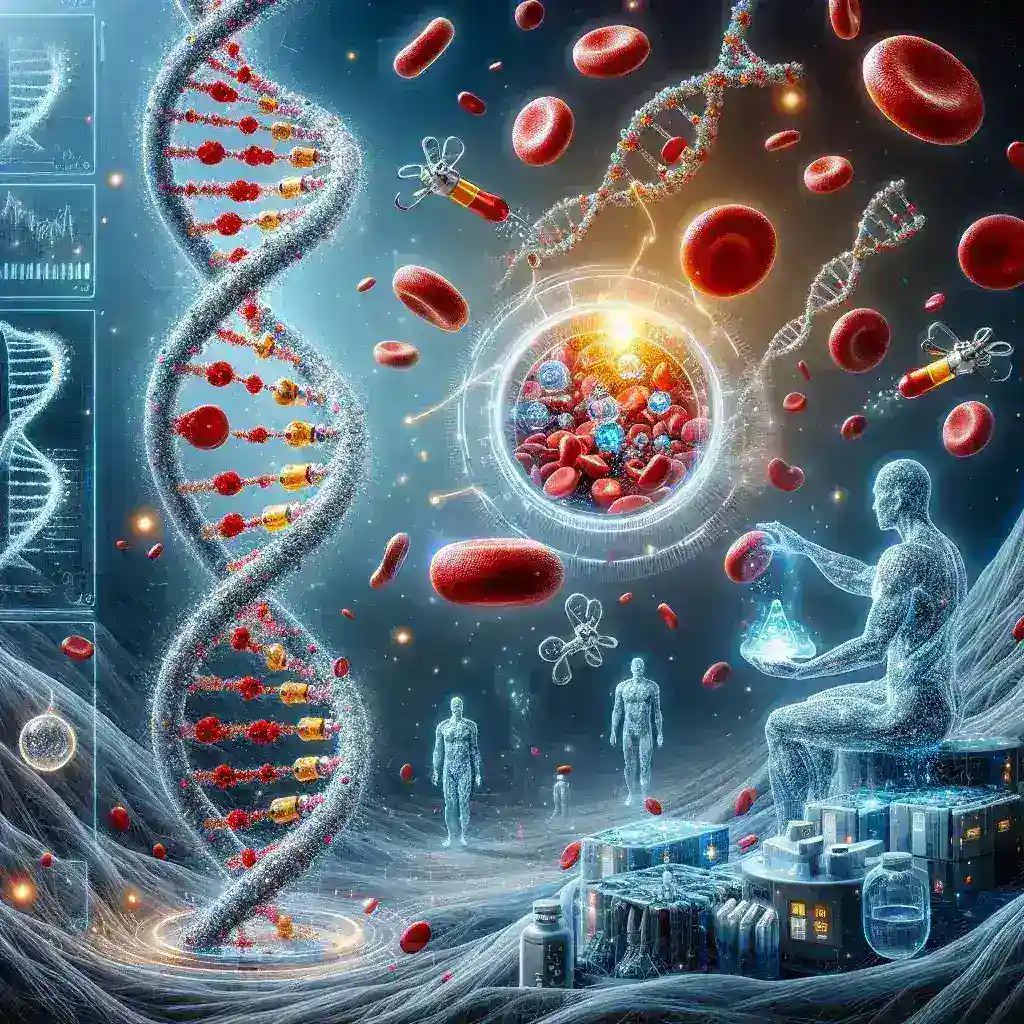
Nanotechnology is an emerging field that has shown tremendous promise in transforming various sectors, and medicine is at the forefront of its most significant impacts. By manipulating materials at the nanoscale, researchers are discovering novel ways to deliver drugs, diagnose diseases, and create advanced therapeutic systems that can improve patient outcomes. This article delves into the future of nanotechnology in medicine, focusing on its applications in drug delivery and the potential developments that could change the landscape of healthcare.
What is Nanotechnology?
Nanotechnology involves the study and application of materials at a nanoscale, typically 1 to 100 nanometers in size. This realm encompasses various disciplines, including chemistry, biology, physics, and engineering. At this scale, the physical and chemical properties of materials can differ significantly from their larger-scale counterparts, allowing for innovative applications, particularly in medicine.
Key Advantages of Nanotechnology in Medicine
- Targeted Delivery: Nanoparticles can be engineered to target specific tissues or cells, enhancing the efficacy of drugs while minimizing side effects.
- Improved Solubility: Many drugs have poor solubility in water, which limits their effectiveness. Nanoparticles can enhance solubility and bioavailability.
- Controlled Release: Nanotechnology allows for the controlled release of drugs over time, improving therapeutic outcomes.
- Real-time Monitoring: Nanoparticles can be used for imaging and diagnostics, providing real-time data about the administration and effect of the medication.
- Multi-functionality: Nanoparticles can carry therapeutic agents, imaging agents, and targeting ligands simultaneously.
Advancements in Nanotechnology for Drug Delivery
1. Nanoparticle-Based Drug Delivery Systems
Nanoparticles can be designed using various materials, including lipids, polymers, metals, and ceramics. These particles can encapsulate drugs, enhancing their stability and solubility. Several types of nanoparticles are being explored:
- Liposomes: These lipid-based vesicles can encapsulate both hydrophilic and hydrophobic drugs. They can improve the pharmacokinetics and biodistribution of drugs.
- Polymeric Nanoparticles: Made from biocompatible polymers, these nanoparticles allow for controlled drug release. They can be engineered to degrade in response to specific biological stimuli.
- Inorganic Nanoparticles: Gold and silica nanoparticles are gaining attention for their stability and versatility. They can be functionalized for specific targeting and imaging.
2. Targeted Drug Delivery Mechanisms
Targeted drug delivery is one of the most significant advancements in nanotechnology. By modifying nanoparticles with specific ligands that bind to receptors on target cells, drugs can be delivered precisely where needed. This minimizes the side effects associated with conventional therapies.
Examples of Targeted Delivery
- Cancer Therapy: Nanoparticles can deliver chemotherapy drugs directly to tumor cells, sparing healthy tissues.
- Gene Therapy: Nanoparticles can be used to deliver genetic material into cells, allowing for treatments that can modify gene expression.
- Vaccine Delivery: Nanocarriers are being used to deliver vaccines more effectively, enhancing immune responses.
Future Trends and Challenges
1. Personalized Medicine
The future of medicine leans towards personalized approaches, and nanotechnology will play a crucial role. By analyzing an individual’s genetic makeup, nanoparticles can be designed to deliver drugs tailored to specific needs, thereby improving effectiveness and reducing adverse effects.
2. Biodegradable Nanomaterials
As the demand for environmentally-friendly and biocompatible materials grows, the development of biodegradable nanoparticles is becoming increasingly important. These materials can safely dissolve in the body after delivering their therapeutic payload, reducing long-term toxicity concerns.
3. Regulatory Challenges
While the potential of nanotechnology in medicine is vast, regulatory hurdles remain. The FDA and other regulatory bodies need to establish guidelines for the safety and efficacy of nanomedicine products. A clear pathway for approval is essential to foster innovation while ensuring patient safety.
4. Ethical Considerations
The implementation of nanotechnology in medicine raises ethical considerations, particularly related to privacy in genomic data and the potential for unintended consequences. Ongoing dialogues among scientists, ethicists, and patients will be vital to navigate these complexities.
Conclusion
The future of nanotechnology in medicine and drug delivery is promising, with abundant opportunities to enhance patient care. As researchers continue to unlock the potential of nanoscale materials, we can expect to see significant advancements in targeted therapies, personalized medicine, and drug delivery systems. While challenges remain, the integration of nanotechnology into healthcare holds the promise of improved outcomes and innovative treatment paradigms that will shape the future of medicine for years to come.
References
- M. D. H. P. N. S. Lee, M. S. (2023). Nanotechnology in Medicine: A Comprehensive Overview. Journal of Nanomedicine.
- R. Smith, J. (2022). Targeted Drug Delivery Using Nanoparticles: A Review. International Journal of Nanotechnology.
- Q. Wu, J. (2023). The Future of Nanotechnology in Personalized Medicine. Advances in Healthcare Technology.