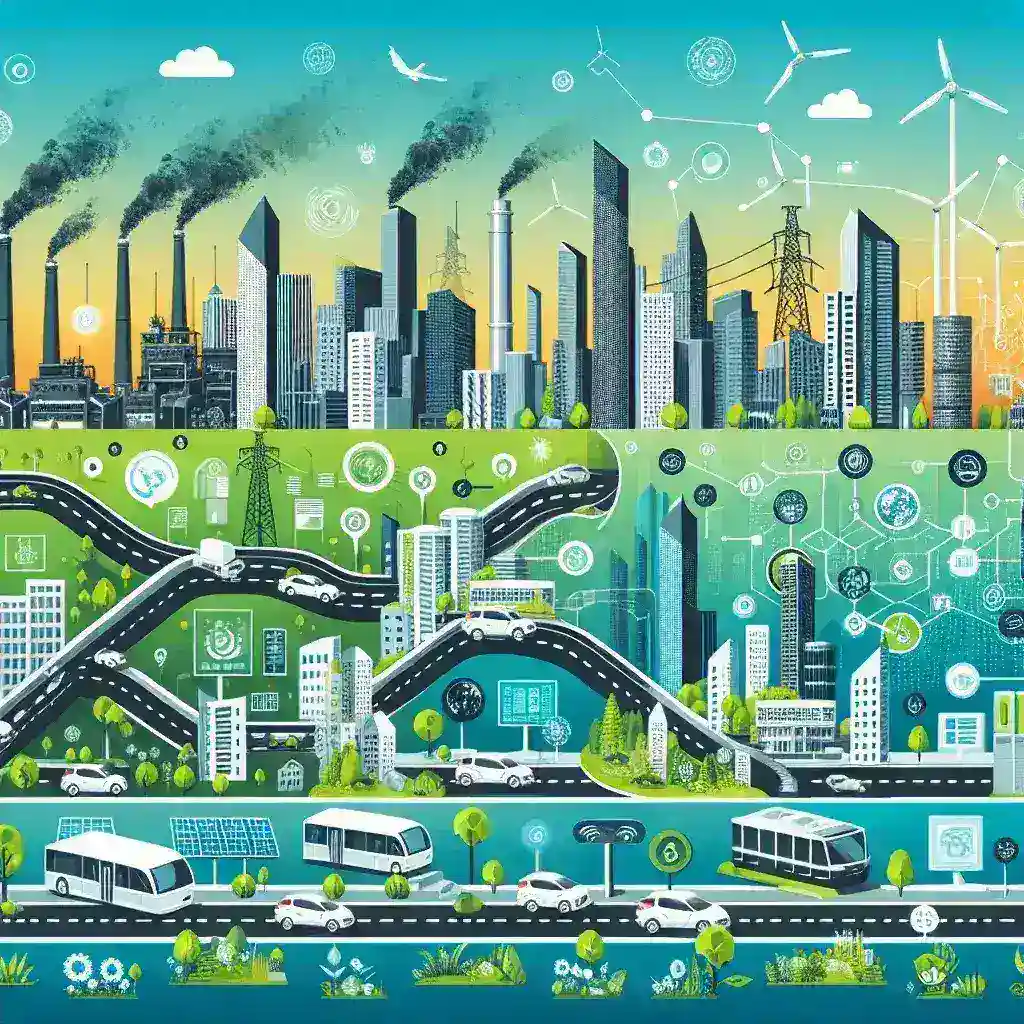
Introduction
The concept of smart cities has rapidly evolved, reflecting the growing need for urban areas to accommodate an increasing population while promoting sustainability and improving quality of life. The integration of technology, infrastructure, and sustainability principles plays a pivotal role in this evolution. This article delves into the journey of smart cities, their impact on sustainable urban development, and future prospects.
What Are Smart Cities?
Smart cities utilize technology and data to enhance the quality of life for residents while promoting efficient use of resources. They incorporate a variety of interconnected systems, including transportation, energy, healthcare, and public safety, to create a holistic approach to urban living.
Key Characteristics of Smart Cities
- Connectivity: High-speed internet and integrated communication systems.
- Data-Driven Decision Making: Use of real-time data for urban planning and management.
- Sustainability: Implementing eco-friendly practices and reducing carbon footprints.
- Citizen Engagement: Involving residents in decision-making processes and feedback loops.
The Historical Context of Smart Cities
The term “smart city” emerged in the early 2000s, coinciding with advancements in technology and urbanization. Initially focused on enhancing infrastructure and services through ICT (Information and Communication Technology), smart cities have since expanded to encapsulate broader sustainability goals.
Early Developments
Early models of smart cities surfaced in projects that integrated sensor networks, aiming to optimize traffic flow and energy usage. Cities like Barcelona and Amsterdam began implementing smart technologies to address urban challenges, moving towards more sustainable practices.
Technological Advancements Driving Evolution
The rapid development of technologies such as IoT (Internet of Things), AI (Artificial Intelligence), and big data analytics has revolutionized urban management. These technologies enable cities to monitor and analyze various parameters to improve efficiency and sustainability.
Sustainable Urban Development
Sustainable urban development is an ongoing theme in the discussion of smart cities. It refers to creating environmentally, socially, and economically viable urban spaces. This section explores the principles and practices that guide sustainable urban development.
Core Principles of Sustainable Development
- Environmental Protection: Preserving green spaces and reducing pollution.
- Social Equity: Ensuring equal access to resources and opportunities for all residents.
- Economic Viability: Promoting local businesses and sustainable economic growth.
Strategies for Sustainable Urban Development
Effective strategies for sustainable urban development include:
- Green Building Practices: Utilizing energy-efficient designs and materials.
- Public Transportation and Mobility: Enhancing public transit and promoting walking and cycling.
- Waste Management and Recycling: Implementing efficient waste disposal and recycling systems.
Global Examples of Smart Cities
Numerous cities worldwide serve as successful examples of smart city initiatives aligning with sustainable development. Here are a few notable examples:
Amsterdam, Netherlands
Amsterdam is a pioneer in integrating smart technologies with sustainability efforts. The city’s smart lighting system, efficient waste management, and emphasis on cycling infrastructure illustrate its commitment to enhancing urban living while minimizing environmental impact.
Barcelona, Spain
Barcelona has adopted several smart city initiatives, including the deployment of smart streetlights and a comprehensive urban mobility plan that prioritizes pedestrian-friendly pathways and a robust public transit network.
Singapore
Singapore is at the forefront of developing smart city technologies, implementing an integrated approach to urban planning that includes efficient resource management and environmental sustainability. The city-state has embraced green roofs, vertical gardens, and a comprehensive public transportation system.
Challenges Facing Smart Cities
Despite the progress, smart cities face significant challenges that must be addressed for successful implementation:
- Digital Divide: Ensuring equitable access to technology for all residents.
- Data Privacy Concerns: Safeguarding citizen data while collecting it for urban management.
- Funding and Investment: Securing financial resources for infrastructure improvements and technology integration.
Addressing the Challenges
Addressing these challenges requires a multi-stakeholder approach, involving government agencies, private companies, academic institutions, and, crucially, the community. Engaging citizens in co-creating solutions fosters trust and ensures that the smart city initiatives resonate with the needs of the inhabitants.
The Future of Smart Cities and Sustainable Urban Development
As urban areas continue to grow, the evolution of smart cities will likely focus on enhancing resilience against climate change, improving public health, and ensuring economic stability. Innovations in renewable energy, autonomous vehicles, and AI will shape the next generation of smart cities.
Trends to Watch
- Increased Adoption of Renewable Energy: Cities will likely leverage solar, wind, and other sustainable energy sources to power public infrastructure.
- AI-Powered Urban Management: AI will facilitate real-time data analysis for improved urban planning and resource allocation.
- Smart Mobility Solutions: The rise of autonomous vehicles and integrated mobility platforms will transform urban transportation.
Conclusion
The evolution of smart cities represents a remarkable journey towards creating sustainable urban environments. By adopting innovative technologies and prioritizing sustainable practices, cities can enhance the quality of life for residents while addressing pressing global challenges. As we move forward, it is essential to foster collaboration among stakeholders and strive for inclusive, equitable developments that serve the whole community.