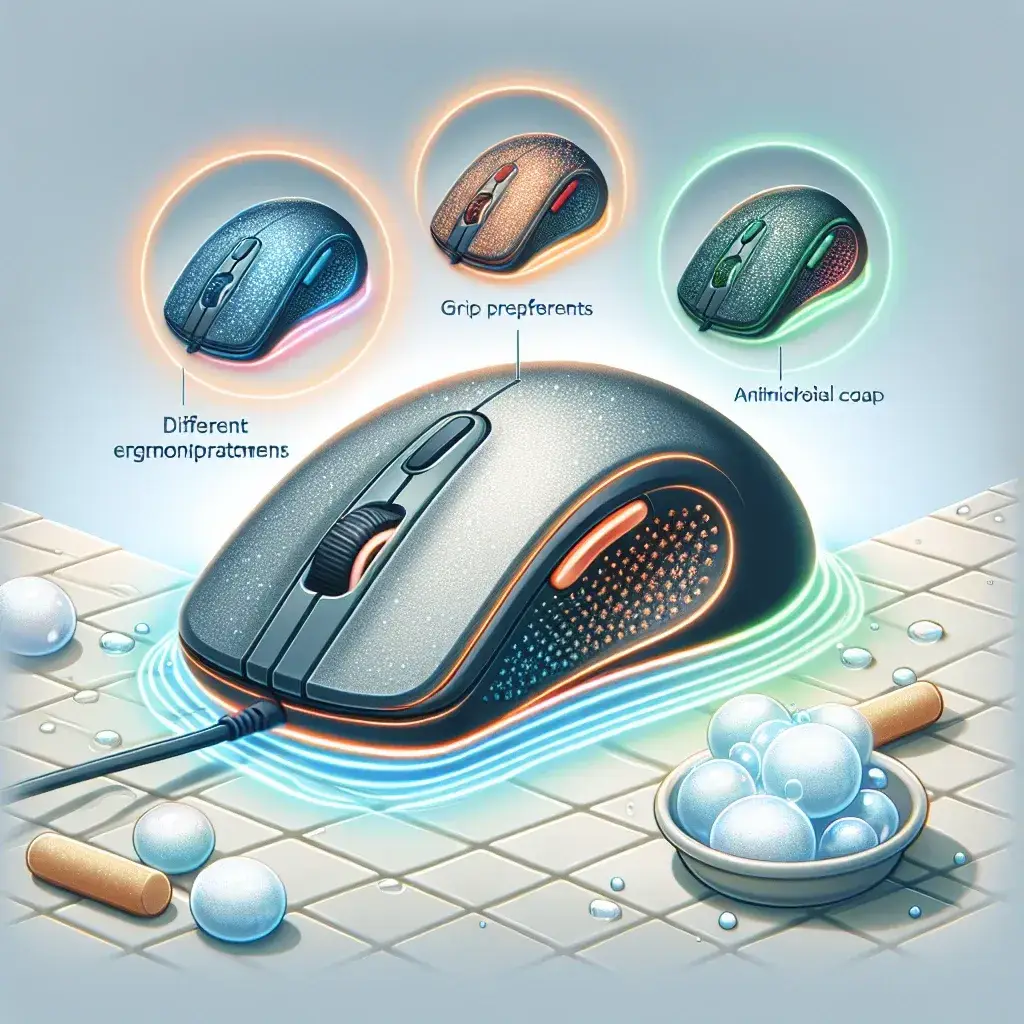
In today’s digital age, computer mice have become an essential tool for both home and office use. With constant use, these devices can harbor a range of bacteria that can affect one’s health. Enter mouse grips with antimicrobial coatings, a technological innovation aimed at improving hygiene and overall health. This article delves into how these specialized mouse grips enhance hygiene, their benefits, and their impact on user health.
Understanding Antimicrobial Coatings
Antimicrobial coatings are surface treatments designed to inhibit the growth of microorganisms such as bacteria, viruses, and fungi. These coatings contain active agents—such as silver, copper, or organic compounds—that disrupt the cell membranes of pathogens, reducing their ability to thrive on the surface.
How Mouse Grips with Antimicrobial Coatings Work
The primary principle behind antimicrobial coatings is their ability to reduce microbial loading on surfaces. When applied to mouse grips, these coatings continuously work to eliminate or deactivate bacteria and other harmful microorganisms.
| Material | Antimicrobial Agent | Mechanism |
|---|---|---|
| Silver ions | Silver | Disrupts cell membranes and DNA |
| Copper | Copper ions | Generates oxidative stress on cells |
| Organic compounds | Various biocides | Inhibits cell growth and reproduction |
Constant Battle Against Microbes
Mouse grips with antimicrobial coatings provide a continuous defense mechanism against microbes. This is particularly beneficial in high-use environments such as offices, gaming setups, and shared workspaces where multiple individuals may come into contact with the same surface. Over time, this helps in significantly lowering the risk of cross-contamination and the spread of harmful bacteria and viruses.
Benefits of Using Antimicrobial Mouse Grips
Enhanced Hygiene
One of the most significant advantages of using mouse grips with antimicrobial coatings is the enhanced level of hygiene they provide. By actively reducing the presence of harmful microorganisms, these coated surfaces contribute to a cleaner workspace.
Reduced Risk of Illness
Germs are everywhere, and constant contact with contaminated surfaces can lead to common illnesses such as colds, flu, and other infections. Antimicrobial mouse grips reduce the microbial load, thereby lowering the risk of these illnesses.
Improved User Experience
Modern users demand more than just functionality from their devices—they also seek safety and comfort. Antimicrobial mouse grips contribute to a safer user experience by actively reducing potential health risks associated with prolonged use of contaminated surfaces.
Choosing the Right Antimicrobial Mouse Grip
When selecting an antimicrobial mouse grip, it’s essential to consider a few critical factors to ensure optimal performance and health benefits.
- Material: Look for grips made from high-quality materials with proven antimicrobial agents.
- Durability: Ensure that the antimicrobial coating is durable and can withstand regular use without degrading.
- Compatibility: Check that the mouse grip is compatible with your device and does not interfere with its functionality.
- Comfort: Make sure the mouse grip is comfortable to use for extended periods, without causing strain or discomfort.
Maintenance and Care
While antimicrobial coatings provide a significant level of protection, proper maintenance and care are still essential for keeping your mouse and mouse grip in top condition.
Regular Cleaning
Even with antimicrobial properties, regular cleaning is necessary to keep surfaces free from dust and grime, which can interfere with performance. Use a soft cloth and mild detergent to clean your mouse grip periodically.
Routine Checks
Inspect the mouse grip regularly for signs of wear and tear. Replace it if you notice any degradation in the coating, as this can affect its effectiveness.
Impact on User Health
Using mouse grips with antimicrobial coatings goes beyond just improving hygiene; they can significantly impact user health in positive ways.
Reduced Exposure to Pathogens
By lowering the microbial load on surfaces, these coatings reduce users’ exposure to potentially harmful pathogens, contributing to improved health and well-being.
Enhanced Comfort and Safety
Knowing that their devices are protected against harmful microbes, users can experience a greater sense of comfort and safety, enhancing overall user satisfaction.
The Future of Antimicrobial Technologies
The adoption of antimicrobial coatings is likely to grow as more people become aware of their benefits. Future advancements may lead to even more effective and durable coatings, expanding their use beyond mouse grips to other frequently-touched surfaces in personal and public spaces.
Innovations
Researchers are continuously innovating, developing new antimicrobial agents that are more effective and longer-lasting. These advancements could revolutionize hygiene standards in both personal and professional environments.
Broader Applications
As the technology evolves, we may see antimicrobial coatings being applied to a wider range of products—from keyboards and touchscreens to door handles and other high-touch areas, further enhancing public health and safety.
Conclusion
Mouse grips with antimicrobial coatings are a significant step forward in enhancing hygiene and improving health. By actively reducing the presence of harmful microorganisms on frequently-touched surfaces, these innovative products offer a cleaner, safer, and more comfortable user experience. As antimicrobial technologies continue to evolve, their impact on our daily lives will only grow, leading to healthier and more hygienic environments.