Introduction
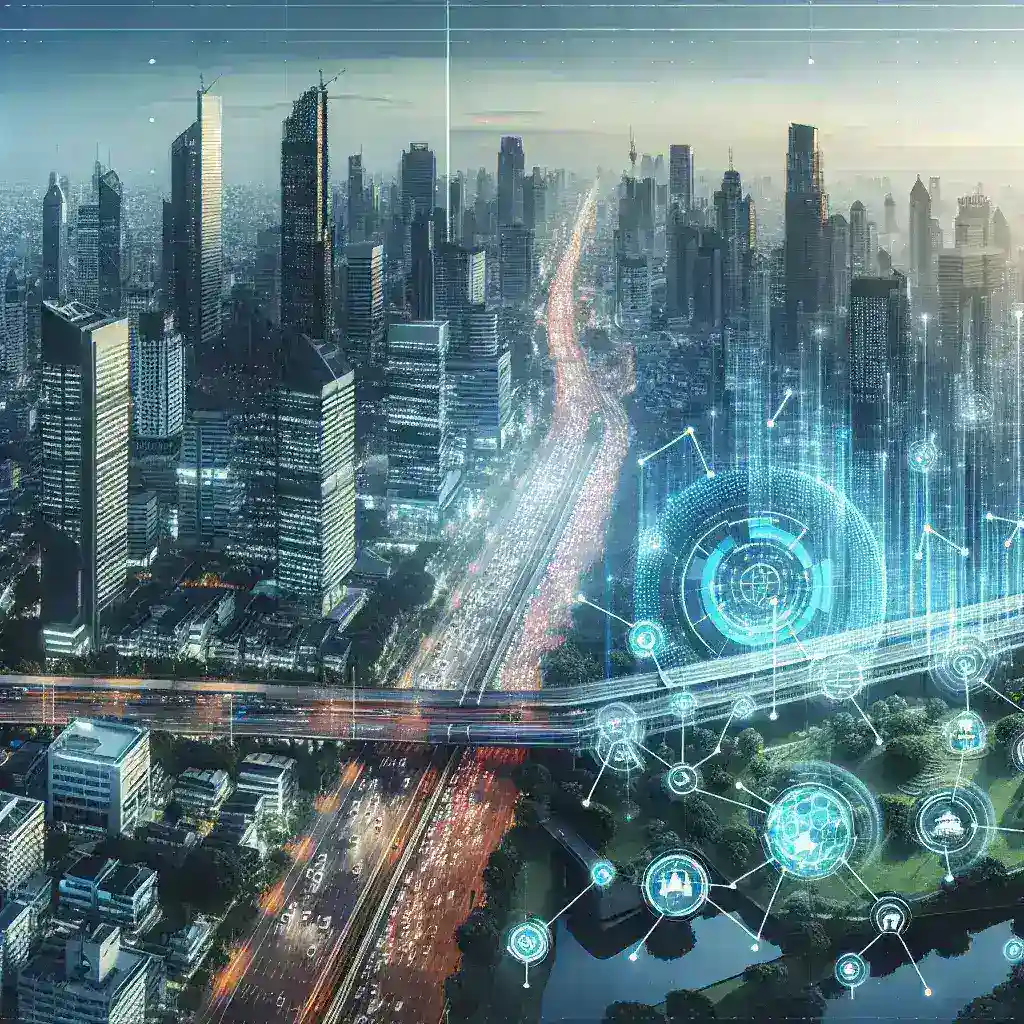
In the evolving landscape of urban planning, municipalities are increasingly adopting digital twin technologies to enhance their operational efficiency and decision-making capabilities. A digital twin is a virtual representation of a physical entity, providing cities with real-time data and insights that are crucial for urban development.
The Evolution of Digital Twin Technologies
The concept of digital twins originated in the manufacturing sector but has now permeated various fields, including urban planning. Historical advancements in data collection and processing have paved the way for municipalities to embrace this technology. In the early days of urban planning, cities relied heavily on static models and historical data, limiting their ability to respond to dynamic changes.
Historical Context
Initially, urban planning was a labor-intensive process involving physical models and extensive manual calculations. However, the advent of computer-aided design (CAD) in the 1980s marked a significant shift. As technology evolved, the integration of Geographic Information Systems (GIS) introduced spatial analysis capabilities. Today, digital twins leverage the Internet of Things (IoT), artificial intelligence (AI), and big data analytics to create comprehensive urban models.
Benefits of Digital Twin Technologies in Urban Planning
- Enhanced Decision-Making: Real-time data allows city planners to make informed decisions quickly.
- Predictive Analysis: Digital twins enable simulations that forecast future urban scenarios based on various metrics.
- Stakeholder Engagement: Stakeholders can visualize projects through interactive models, fostering better communication.
- Sustainability: Cities can assess the environmental impact of projects in real-time, leading to more sustainable initiatives.
Real-World Applications
Municipalities worldwide are implementing digital twin technologies to optimize urban planning. For example, Singapore has developed a comprehensive digital twin of its entire urban environment, allowing planners to simulate urban scenarios such as flooding or public transport efficiency.
Challenges in Implementing Digital Twin Technologies
Despite the numerous benefits, municipalities face challenges when adopting digital twin technologies:
- Data Privacy Concerns: As data collection increases, so do concerns regarding privacy and security.
- High Initial Investment: Developing a digital twin requires substantial investments in technology and infrastructure.
- Interoperability Issues: Integrating various data sources and systems can be complex and time-consuming.
Future Predictions
Looking ahead, digital twin technologies will likely become an integral part of urban planning. With ongoing advancements in AI and machine learning, municipalities can expect even greater accuracy and efficiency in their urban models. Technologies such as augmented reality (AR) may also enhance visualization, allowing planners to interact with their digital twins in immersive environments.
Conclusion
Digital twin technologies represent a transformative approach to urban planning, enabling municipalities to harness real-time data and predictive analytics for better decision-making. As this technology continues to evolve, cities worldwide will likely reap the benefits, improving urban living and sustainability metrics. The journey towards smarter cities is just beginning, and digital twins will play a pivotal role in shaping the urban landscapes of the future.
Expert Insights
According to Dr. Emma Johnson, an urban planning expert, “The integration of digital twin technologies in municipal planning is not just a trend but a necessity for future-ready cities. It allows for data-driven decisions that can significantly improve urban resilience and quality of life.”
Final Thoughts
As we navigate the complexities of urbanization, the adoption of digital twin technologies will undoubtedly help municipalities address challenges more effectively. Embracing this innovative approach will empower cities to not only plan better but also adapt to the ever-changing needs of urban populations.