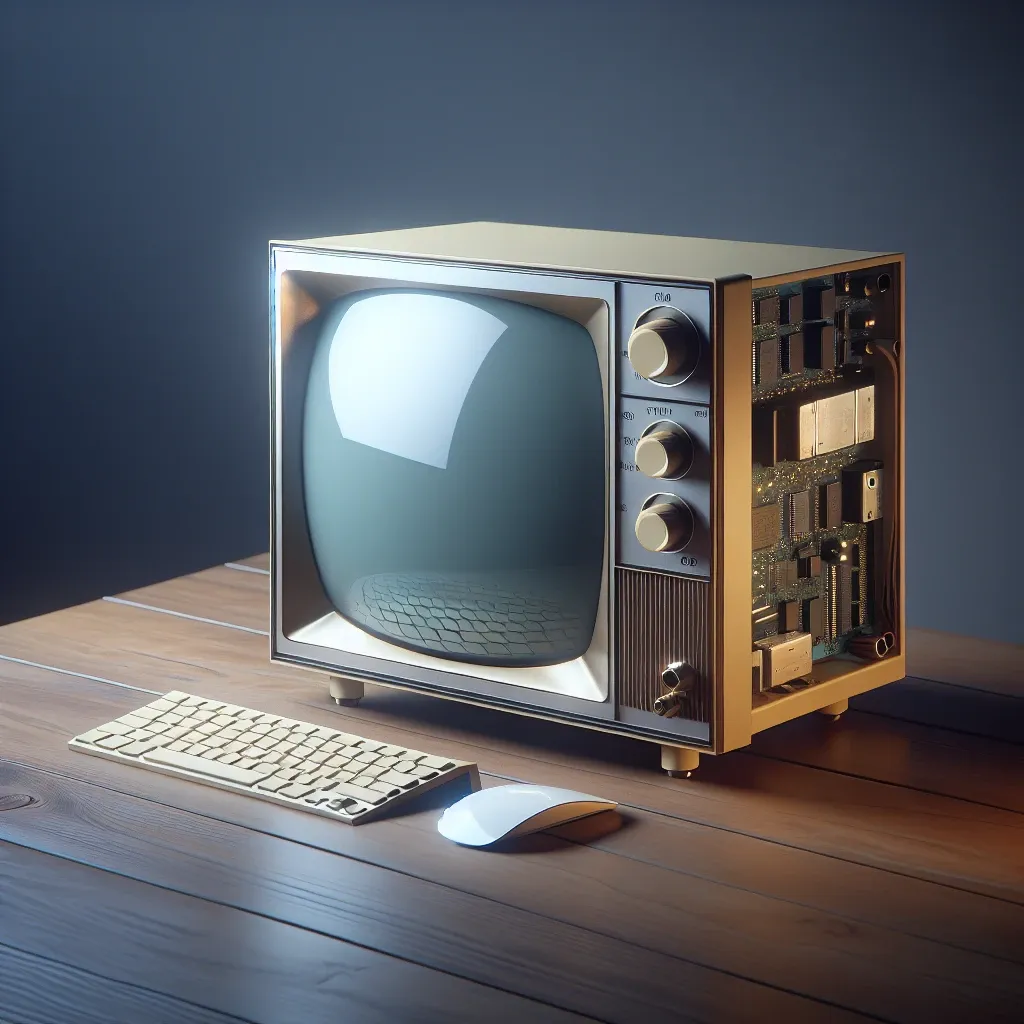
Cathode Ray Tubes (CRTs) were once the backbone of display technology, widely used in television sets and computer monitors. However, with the advent of flat-panel screens, the usage of CRTs has dramatically declined. This article delves into whether CRTs are still used today, examining their applications, benefits, and limitations.
The Current Landscape of CRT Use
While CRTs have largely been replaced by newer technologies such as LCD and LED screens, they have not disappeared entirely. Below is a table summarizing the key aspects of CRTs and flat-panel displays for a quick comparison:
| Aspect | CRT | Flat-Panel Displays (LCD/LED) |
|---|---|---|
| Picture Quality | Excellent color and black levels | Varies, generally good but improving |
| Size and Weight | Bulky and heavy | Slim and lightweight |
| Energy Consumption | High | Low to moderate |
| Longevity | Can last many years | Generally good, but lifespan is improving |
| Cost | Generally cheap today (used markets) | Varies, generally more expensive but becoming affordable |
Advantages of CRTs
Despite their bulkiness and higher energy consumption, CRTs offer several advantages:
- Superior Color and Black Levels: CRTs are widely praised for their color accuracy and deep blacks, which are essential for tasks involving detailed color work.
- Durability: These displays are known to be robust and long-lasting.
- Cost-Effective: With the shift towards newer technologies, CRTs can be purchased cheaply in the used market.
Current Applications of CRTs
While CRTs are not commonly found in everyday consumer electronics anymore, they are still used in specific applications:
- Vintage Gaming: Enthusiasts of retro gaming often prefer CRTs because these displays provide an authentic gaming experience with excellent response times and no input lag.
- Broadcast and Professional Video Equipment: Some professionals in the broadcast and video editing industry still rely on CRT monitors for color-critical tasks.
- Scientific and Medical Instruments: Certain specialized equipment in the medical and scientific fields continue to use CRT technology.
Limitations of CRTs
CRTs come with certain limitations that have led to their decline in popularity:
- Bulky and Heavy: The sheer size and weight of CRTs make them impractical for modern, space-conscious environments.
- High Energy Consumption: CRTs consume significantly more power compared to modern flat-panel displays.
- Limited Availability: As production of CRTs has mostly ceased, finding new ones is nearly impossible; most available units are used.
Environmental Impact
Another reason for the phasing out of CRTs is their environmental impact. CRTs contain hazardous materials like lead and phosphor, making them challenging to dispose of safely. As a result, recycling programs have been instituted in many places around the world to manage electronic waste effectively.
The Future of CRTs
The future of CRT technology appears limited, primarily constrained to niche markets and specialized applications. While they offer unique advantages, the rapid advancements in flat-panel technology have addressed many of the previous shortcomings, such as color accuracy and response time. Additionally, continuous improvements in OLED and quantum dot technologies are further diminishing the few remaining advantages of CRTs.
Conclusion
In summary, while CRTs are no longer the mainstay of display technology, they still occupy specific niches where their unique attributes are valued. For most consumers and professionals, modern flat-panel displays offer a more practical, energy-efficient, and high-quality solution. As technology continues to evolve, it is likely that CRTs will become even less prevalent, confined mainly to collectors and specialized applications.