The Dawn of AI-Powered Digital Art Creation
The intersection of artificial intelligence and digital illustration represents one of the most fascinating developments in contemporary creative technology. As we witness the rapid evolution of AI systems capable of generating stunning visual content, the traditional boundaries between human creativity and machine capability continue to blur in unprecedented ways.
Digital illustration, once exclusively the domain of skilled artists wielding styluses and graphics tablets, has entered a new era where artificial intelligence serves as both collaborator and creator. This technological revolution is not merely changing how illustrations are made; it’s fundamentally reshaping our understanding of creativity itself.
Understanding AI-Driven Illustration Technologies
Modern AI illustration systems operate through sophisticated neural networks trained on vast datasets of existing artwork. These systems, including generative adversarial networks (GANs) and diffusion models, analyze patterns, styles, and compositional elements from millions of images to understand the fundamental principles of visual art.
The process begins with text prompts or reference images that guide the AI’s creative output. Advanced algorithms interpret these inputs and generate original illustrations that can range from photorealistic renderings to abstract artistic expressions. Machine learning models like DALL-E, Midjourney, and Stable Diffusion have demonstrated remarkable capabilities in producing high-quality digital illustrations across diverse artistic styles.
Key Technologies Behind AI Illustration
- Generative Adversarial Networks (GANs) for style transfer and image generation
- Diffusion models for high-resolution image synthesis
- Transformer architectures for text-to-image conversion
- Neural style transfer for artistic effect application
- Variational autoencoders for latent space manipulation
Revolutionary Applications in Professional Design
The commercial applications of AI-generated illustrations span numerous industries, from advertising and marketing to entertainment and publishing. Design agencies are increasingly incorporating AI tools into their workflows to accelerate concept development and explore creative possibilities that might not emerge through traditional methods alone.
In the advertising sector, AI illustrations enable rapid prototyping of visual concepts, allowing creative teams to test multiple design directions efficiently. Publishing houses utilize AI-generated artwork for book covers, magazine layouts, and digital content creation, significantly reducing production timelines while maintaining artistic quality.
Gaming and Entertainment Industry Impact
The gaming industry has embraced AI illustration technology with particular enthusiasm. Game developers leverage AI tools to generate concept art, texture assets, and environmental designs that would traditionally require extensive manual illustration work. This technological integration has democratized game development, enabling smaller studios to compete with larger organizations by accessing sophisticated visual creation capabilities.
Enhancing Human Creativity Rather Than Replacing It
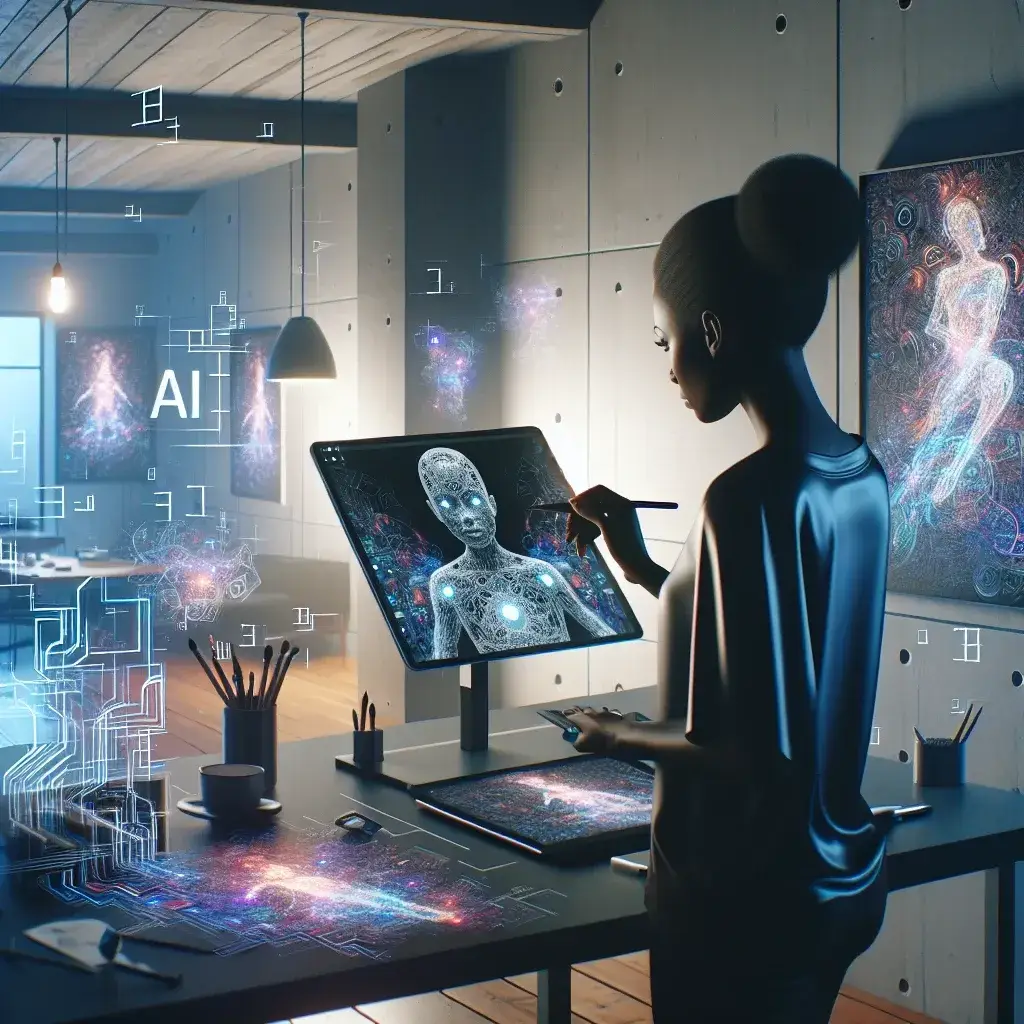
Contrary to concerns about AI replacing human artists, the most successful implementations of AI illustration technology focus on augmenting human creativity rather than supplanting it. Professional illustrators increasingly use AI as a sophisticated brainstorming partner, generating initial concepts that can be refined and personalized through human artistic judgment.
This collaborative approach allows artists to explore visual territories they might not have considered independently. AI can suggest unexpected color palettes, compositional arrangements, or stylistic combinations that spark new creative directions. The human artist then applies their expertise to refine, modify, and perfect these AI-generated foundations.
Workflow Integration Strategies
Successful integration of AI illustration tools requires thoughtful workflow design. Many professionals adopt a hybrid approach where AI generates multiple concept variations, which are then curated and refined using traditional digital art techniques. This methodology combines the speed and exploratory power of AI with the nuanced decision-making and emotional intelligence that human artists bring to their work.
Technical Considerations and Quality Factors
The quality of AI-generated illustrations depends heavily on several technical factors. Training data quality significantly influences output sophistication, as models trained on diverse, high-resolution artwork typically produce more versatile and visually appealing results.
Prompt engineering has emerged as a crucial skill for maximizing AI illustration quality. Effective prompts combine specific artistic terminology with clear compositional guidance, enabling AI systems to generate more targeted and useful results. Understanding how different AI models interpret various descriptive elements allows users to craft more effective creative briefs.
Resolution and Format Considerations
Modern AI illustration systems can generate images at various resolutions, from web-optimized formats to print-ready high-resolution files. However, users must consider the intended application when selecting generation parameters, as different use cases require different technical specifications.
Ethical Considerations in AI Art Generation
The rise of AI illustration technology has sparked important discussions about artistic attribution, copyright, and the value of human creativity. Questions surrounding the training data used by AI models, particularly regarding artist consent and compensation, remain central to ongoing debates about ethical AI development.
Professional illustrators and designers must navigate these ethical considerations while exploring the creative possibilities that AI tools provide. Many artists advocate for transparent attribution when AI assistance is used in commercial work, fostering honest dialogue about the role of technology in creative processes.
Copyright and Ownership Issues
The legal landscape surrounding AI-generated artwork continues to evolve as courts and legislators grapple with questions of originality and ownership. Current interpretations vary by jurisdiction, making it essential for commercial users to understand the legal implications of incorporating AI-generated elements into their work.
Future Prospects and Emerging Trends
The trajectory of AI illustration technology points toward increasingly sophisticated and specialized tools. Emerging developments include real-time collaborative editing between humans and AI, style-specific models trained on particular artistic movements, and enhanced control systems that allow for precise manipulation of generated content.
Integration with virtual and augmented reality platforms represents another frontier for AI illustration applications. As immersive technologies become more prevalent, AI-generated artwork will likely play crucial roles in creating dynamic, responsive visual environments that adapt to user interactions and preferences.
Educational and Accessibility Implications
AI illustration tools are democratizing access to sophisticated visual creation capabilities, enabling individuals without traditional artistic training to produce compelling visual content. This accessibility has profound implications for education, communication, and creative expression across diverse communities and cultural contexts.
Practical Implementation Guidelines
Organizations considering AI illustration integration should begin with clear objectives and realistic expectations. Successful implementation requires understanding both the capabilities and limitations of current AI systems, along with investment in training and workflow adaptation.
Starting with specific, well-defined use cases allows teams to evaluate AI tools effectively before expanding to broader applications. Pilot projects focused on concept generation, style exploration, or rapid prototyping provide valuable insights into how AI illustration can enhance existing creative processes.
Tool Selection Criteria
Choosing appropriate AI illustration tools depends on factors including budget, technical requirements, integration needs, and specific creative objectives. Evaluating different platforms based on output quality, ease of use, and compatibility with existing software ecosystems helps ensure successful adoption.
Measuring Success and ROI
The value of AI illustration implementation extends beyond simple cost savings to include enhanced creative exploration, accelerated project timelines, and expanded design possibilities. Measuring success requires considering both quantitative metrics like production efficiency and qualitative factors such as creative satisfaction and client response.
Regular assessment of AI tool performance and impact on creative workflows enables continuous optimization and ensures that technology adoption aligns with broader organizational objectives. This ongoing evaluation process helps teams maximize the benefits of AI illustration while maintaining high creative standards.
Conclusion: Embracing the AI-Enhanced Creative Future
AI for creating digital illustrations represents a transformative force in contemporary visual arts and design. Rather than threatening human creativity, these technologies offer unprecedented opportunities for artistic exploration and professional efficiency. Success in this evolving landscape requires thoughtful integration strategies that leverage AI capabilities while preserving the essential human elements that give artwork meaning and emotional resonance.
As AI illustration technology continues advancing, the most successful practitioners will be those who embrace these tools as creative partners while maintaining their commitment to artistic excellence and ethical practice. The future of digital illustration lies not in choosing between human and artificial intelligence, but in discovering how these complementary capabilities can work together to push the boundaries of visual expression.