The Rise of Social Media
Social media platforms have become an integral part of our daily lives, with millions of people using platforms such as Facebook, Twitter, and Instagram to connect, share, and engage with others. Over the years, social media has transformed the way we communicate and has also had a significant impact on various aspects of society, including politics.
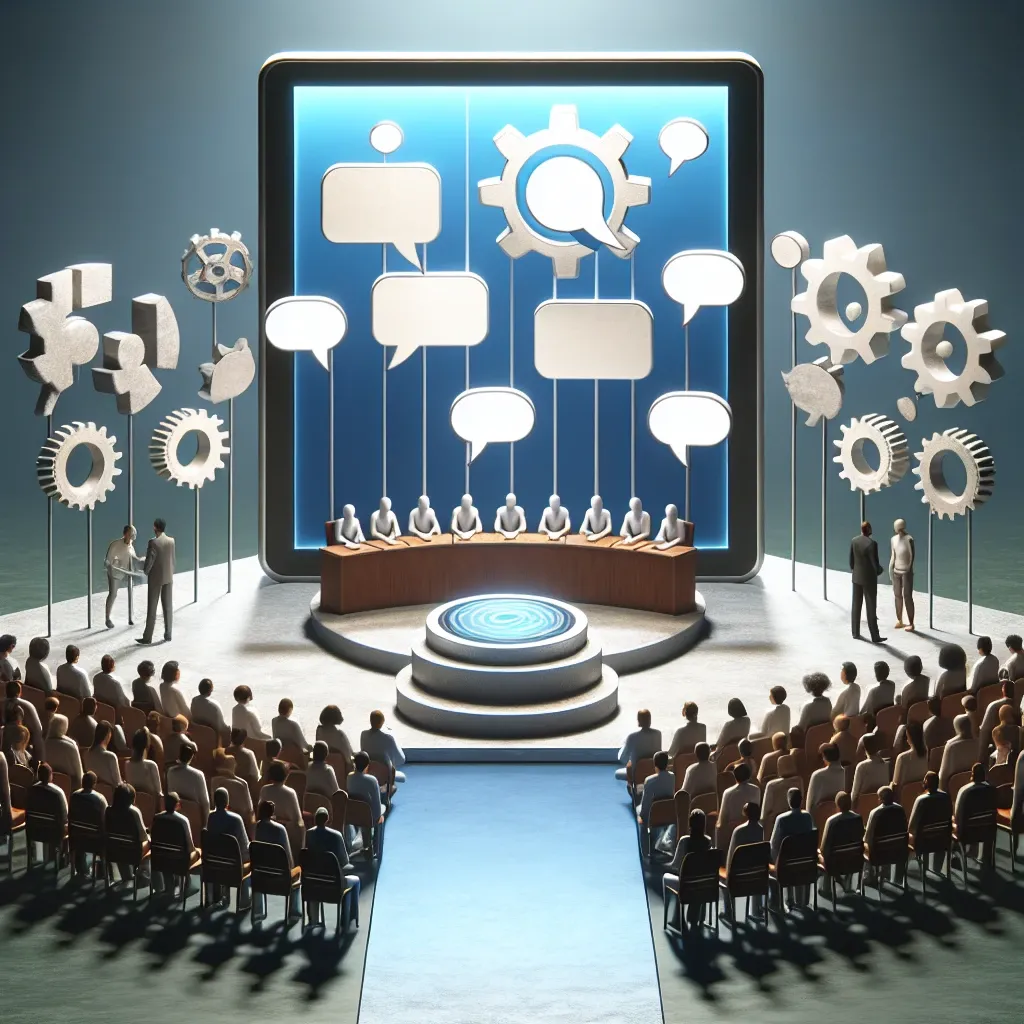
Political Discourse in the Digital Age
Social media has provided individuals with a platform to express their opinions and engage in political discussions like never before. It has given a voice to those who were previously marginalized or silenced by traditional media outlets.
While this newfound freedom of expression has its merits, it also comes with challenges. The fast-paced and fragmented nature of social media can sometimes lead to the spread of misinformation and the echo-chamber effect, where individuals are only exposed to ideas that align with their own beliefs.
The Influence of Social Media in Politics
Social media platforms have become powerful tools for political campaigns and movements. Politicians now use platforms such as Twitter to communicate directly with their constituents, bypassing traditional media channels. This direct connection allows politicians to control their messaging and reach a wider audience.
Furthermore, social media has played a pivotal role in mobilizing mass movements such as the Arab Spring and the #MeToo movement. It has allowed activists to organize, disseminate information, and rally support on a global scale.
The Challenges and Criticisms
Despite its many benefits, social media has also faced criticism for its impact on political discourse. One major concern is the spread of fake news and misinformation, which can have serious consequences for democratic processes. Algorithms and filter bubbles further contribute to political polarization, as individuals are often presented with tailored content that reinforces their existing beliefs.
Another concern is the potential for social media platforms to be manipulated by foreign actors to influence elections and sow discord. The 2016 US presidential election and the Cambridge Analytica scandal are prime examples of how social media can be exploited for political gain.
The Way Forward
As social media continues to play a significant role in political discourse, it is essential for policymakers, technology companies, and users to recognize and address the challenges that come with it.
Regulation and transparency are crucial in combating misinformation and protecting democratic processes. Technology companies must take responsibility for the content that is shared on their platforms and ensure that their algorithms are fair and unbiased. Users also need to be critical consumers of information and actively seek out diverse perspectives.
Ultimately, while social media has the potential to enhance political discourse and democratize public debate, it requires careful management and a collective effort to ensure that it is used responsibly and ethically.