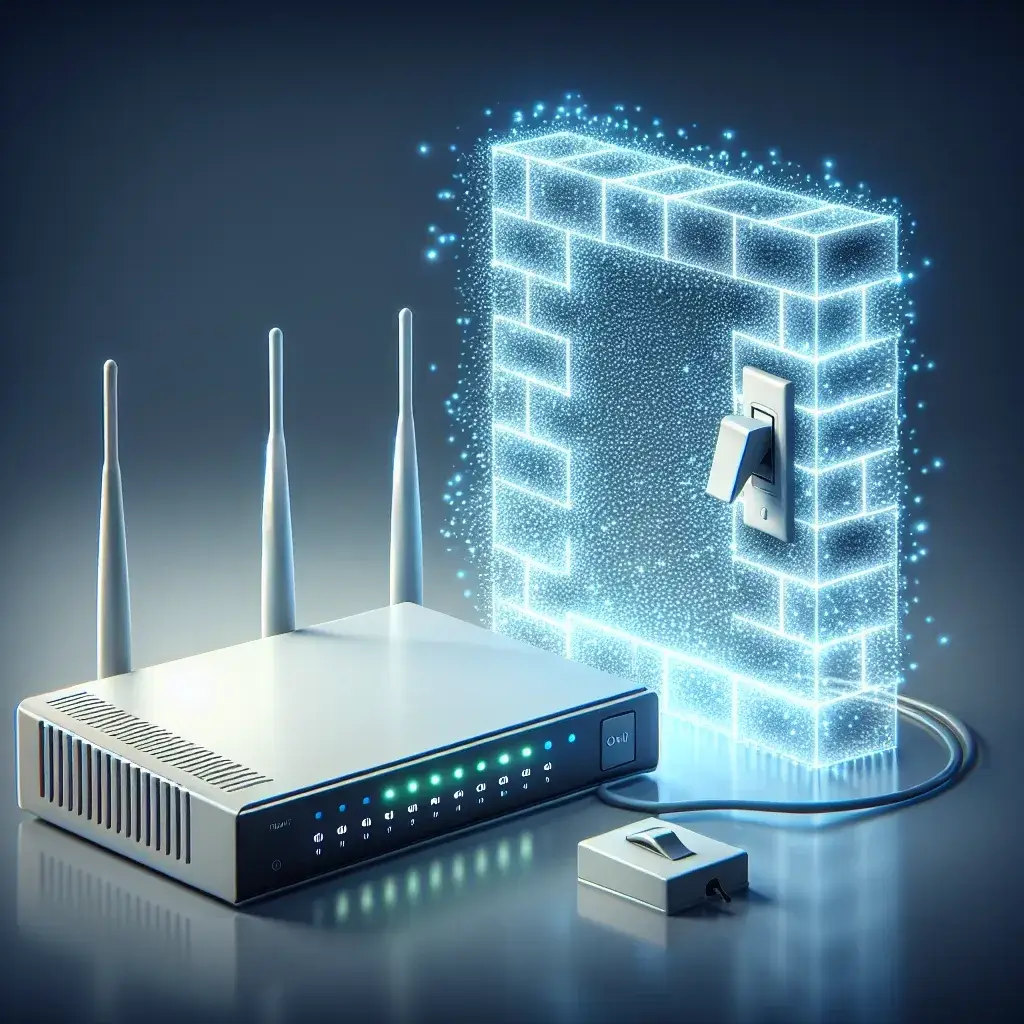
Introduction to Firewall on Routers
Firewalls play a crucial role in protecting your network from unauthorized access and cyber threats. Routers often come with built-in firewall features that can be configured based on your needs. Enabling or disabling the firewall on your router might seem daunting, but with the right steps, it is a straightforward process.
Why Enable or Disable Your Router’s Firewall?
There are various reasons why you might want to enable or disable the firewall on your router:
- Increased Security: Enabling the firewall protects your network from unauthorized access and malicious attacks.
- Performance Issues: In some cases, firewalls may cause network performance issues, prompting you to disable them temporarily.
- Device Compatibility: Certain devices or applications may not function properly when the firewall is enabled.
Steps to Enable or Disable Firewall on Common Routers
The steps to enable or disable the firewall on a router can vary depending on the router’s manufacturer. Below are detailed steps for some of the most common routers:
1. Netgear Routers
Enabling Firewall
- Open your web browser and enter http://www.routerlogin.net.
- Log in using your username and password. The default username is admin, and the default password is password.
- Navigate to Advanced > Security > Firewall Rules.
- Select Enable to activate the firewall.
- Click Apply to save the changes.
Disabling Firewall
- Open your web browser and enter http://www.routerlogin.net to access the router login page.
- Log in with the default credentials or your customized login details.
- Go to Advanced > Security > Firewall Rules.
- Select Disable to deactivate the firewall.
- Click Apply to save the changes.
2. Linksys Routers
Enabling Firewall
- Open a web browser and enter http://192.168.1.1 into the address bar.
- Enter the router’s username and password.
- Navigate to Security > Firewall.
- Select the checkbox to Enable the firewall.
- Click Save Settings.
Disabling Firewall
- Open a web browser and go to http://192.168.1.1.
- Enter the router’s login credentials.
- Go to Security, then select Firewall.
- Uncheck the box to Disable the firewall.
- Click Save Settings.
3. TP-Link Routers
Enabling Firewall
- Open a web browser and type in http://192.168.0.1 or http://tplinkwifi.net.
- Log in with your TP-Link ID or the default username and password.
- Go to Advanced > Security > Firewall.
- Toggle the firewall switch to Enable.
- Click Save.
Disabling Firewall
- Open a web browser and enter http://192.168.0.1 or http://tplinkwifi.net.
- Log in with appropriate credentials.
- Navigate to Advanced > Security > Firewall.
- Toggle the firewall switch to Disable.
- Click Save.
Firewall Settings Table
| Router Brand | URL | Default Username | Default Password | Firewall Path |
|---|---|---|---|---|
| Netgear | http://www.routerlogin.net | admin | password | Advanced > Security > Firewall Rules |
| Linksys | http://192.168.1.1 | (varies) | (varies) | Security > Firewall |
| TP-Link | http://192.168.0.1 or http://tplinkwifi.net | (varies) | (varies) | Advanced > Security > Firewall |
Conclusion
Enabling or disabling the firewall on your router is an essential skill for managing your network’s security. Whether you seek to improve security, address performance issues, or troubleshoot device compatibility, this comprehensive guide provides the necessary steps to configure your router’s firewall settings. Always ensure that you understand the implications of your changes to maintain a secure and efficient network environment.