Introduction
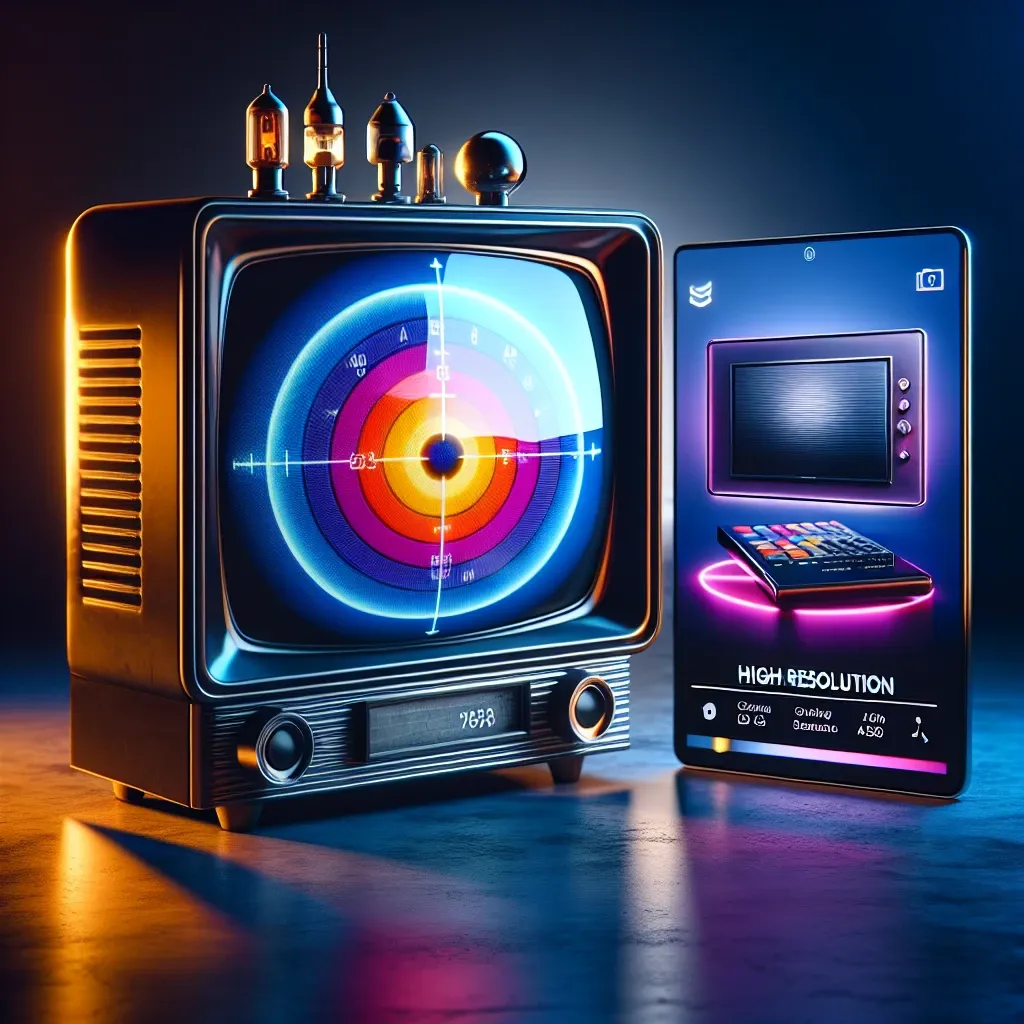
Cathode Ray Tubes (CRTs) once dominated the world of visual displays in televisions and computer monitors. With the advent of modern display technologies such as LCDs, LEDs, and OLEDs, CRTs have largely become obsolete. However, CRTs offer some unique advantages that modern displays cannot yet fully replicate. In this article, we will explore the advantages of CRTs over modern displays and understand why they still hold significance in certain applications.
Better Image Quality
The most striking advantage of CRTs is their superior image quality. Various aspects contribute to this, which we will outline below:
| Aspect | CRTs | Modern Displays |
|---|---|---|
| Color Accuracy | Generally higher and more consistent | Varies depending on technology (IPS, VA, etc.) |
| Contrast Ratio | Superior | Generally lower |
| Response Time | Instantaneous | Range from 1ms to several milliseconds |
| Viewing Angles | Wide | Varies with technology |
Color Accuracy
CRTs tend to have better color accuracy because they can produce deeper blacks and more exact shades of colors. This makes them particularly useful in critical color applications, such as medical imaging and professional video editing.
Contrast Ratio
CRTs have Superior contrast ratios compared to most modern displays. The difference between the darkest black and the brightest white is more significant, providing a more vivid and dynamic image.
Response Time
CRTs boast instantaneous response times. This means they can handle fast-moving images with ease, which is crucial for applications such as gaming and fast-action video playback.
Viewing Angles
CRTs generally offer wide viewing angles without color degradation. This allows users to view the display from different angles without sacrificing image quality.
Durability and Longevity
CRTs are known for their durability and long lifespan. Key factors include:
- Build Quality: CRTs are generally more rugged and can withstand accidental impacts better than modern flat-screen displays.
- Burn-in Resistance: Unlike plasma and OLED screens, CRTs do not suffer from burn-in issues where static images permanently mark the screen.
Cost-Effectiveness
While initial costs for CRTs can be low, the maintenance and operational costs can be somewhat higher due to their size and power consumption. However, they are still cost-effective in certain specialized applications.
Compatibility with Older Media
Older media, such as VHS tapes, classic video game consoles, and certain diagnostic equipment, are often better displayed on CRTs. This is mainly because CRTs were the standard during the production of these media and devices, ensuring optimal display quality.
Classic Gaming
Many classic gaming enthusiasts prefer CRTs for their low input lag and authentic experience. Older gaming consoles were designed with CRTs in mind, and using modern displays can somewhat degrade the gameplay experience.
Low Input Lag
CRTs have very low input lag, making them ideal for applications where real-time display feedback is crucial. This is especially beneficial for gaming and interactive applications.
No Native Resolution
CRTs do not suffer from the native resolution limitations that plague modern displays. They can display various resolutions without loss of image quality, which can be particularly useful in specific scenarios that require flexibility.
Conclusion
While CRTs are largely considered outdated in today’s technology landscape, they offer several unique advantages over modern displays. Their superior image quality, durability, and compatibility with older media make them invaluable in certain specialized applications. Although modern displays have made tremendous advancements, the timeless benefits of CRTs ensure they retain a niche but dedicated user base.